
The Hidden Influence on Hoodoo: Unveiling the Secrets of Powwowing and the Mysterious Sixth and Seventh Books of Moses!
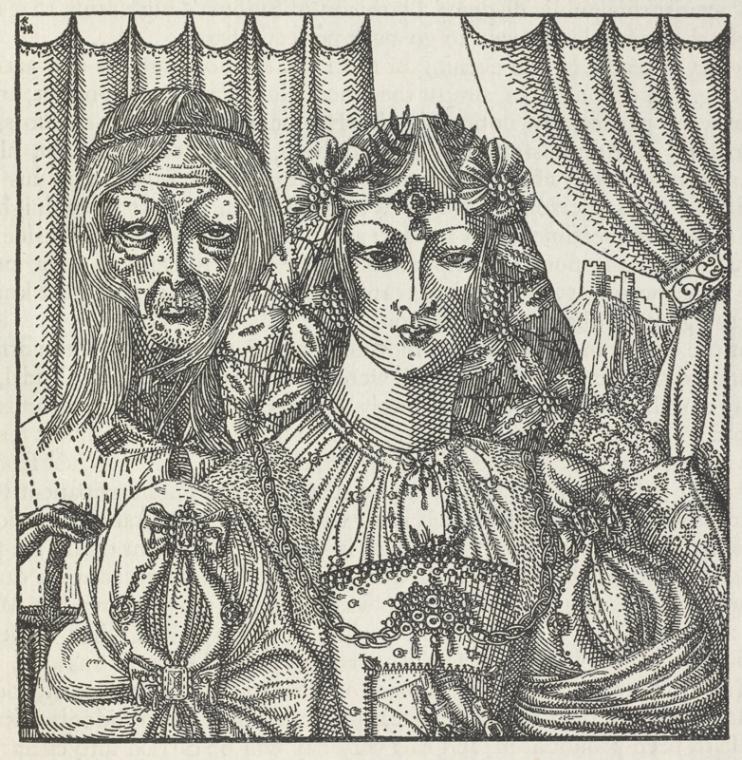
Pennsylvania witchcraft of American Hoodoo Witches

There is a wonderful article here about Powwowing, a practice that has probably had more influence over hoodoo than it's given credit for. Particularly interesting is the part about the Sixth and Seventh Books of Moses (sometimes called the "Hoodoo Bible.")

Powwowing: A Persistent American Esoteric Tradition by David W. Kriebel, Ph.D., explores the practice of powwowing, an enduring tradition of folk healing and magic in America, particularly within Pennsylvania Dutch communities. This tradition, rooted in a blend of Christian faith and folk medicine, has managed to persist from its European origins to contemporary times, despite modernization and skepticism.

Powwowing, also known as Braucherei, has its roots in medieval European healing practices, which were brought to America by German immigrants in the 18th century. These settlers, primarily of the Pennsylvania Dutch community, integrated their Christian beliefs with folk remedies, forming a unique system of healing. The tradition involves a mix of prayers, charms, and rituals aimed at curing ailments, protecting against harm, and ensuring good fortune.

Powwowing is primarily an oral tradition, passed down through generations within families and communities. This mode of transmission has contributed to its persistence, allowing it to adapt to changing times while maintaining core practices. Practitioners, known as powwowers, often start learning the craft in childhood, receiving instruction from family members or local mentors. This esoteric knowledge is considered a sacred trust, often kept within a select group to maintain its potency and integrity.

The practices of powwowing include a range of rituals and remedies. Common elements involve the use of religious texts, such as the Bible, and esoteric books like "The Long Lost Friend" by Johann George Hohman, which contains recipes for cures and protective charms. Powwowers perform rituals for various purposes, including healing physical and spiritual ailments, protecting livestock, and ensuring bountiful harvests. Central to these practices is the belief in the power of words and the divine, with prayers and incantations playing a crucial role in the healing process.

Despite the rise of modern medicine and scientific skepticism, powwowing has shown remarkable resilience. This persistence can be attributed to several factors. First, it provides a sense of cultural identity and continuity for the Pennsylvania Dutch community. Second, it offers an alternative form of healing that is personal and spiritually fulfilling. Additionally, the adaptability of powwowing practices has allowed them to coexist with contemporary beliefs and medical practices.

In the modern era, powwowing faces challenges such as the decline of rural communities and the dispersal of the Pennsylvania Dutch population. However, it continues to survive, with some individuals and groups actively working to preserve and document the tradition. The practice has also seen a resurgence of interest from both within and outside the community, with a growing appreciation for its cultural and historical significance.

Powwowing represents a fascinating example of an esoteric tradition that has endured through centuries, adapting to cultural changes while maintaining its core principles. Its persistence highlights the deep-rooted human need for spiritual and holistic approaches to health and well-being. As a living tradition, powwowing continues to evolve, reflecting the dynamic interplay between tradition and modernity in American folk culture.
Want professional spellcasting? Visit Hoodoo Online for services, or browse my books on Amazon.

Popular posts from this blog

Paper-in-Shoe Spells

A popular and very traditional hoodoo spell, often used for any situation where you need to control someone with magic , is the namepaper-in-shoe spell. It's very easy: you write the target's name 3, 7, or 9 times on a paper (depending on intent and who's giving instruction) then fold it up, sometimes after dressing it with oils or powders, then put it in your shoe. This "keeps the person underfoot" or "stomps out the trouble" or "puts pressure on them" or any other number of metaphors. I have had this work several times over the years. In one instance, I was working for a very unpleasant boss, on a short-term job. It was the last day, and I only had about 3 hours of work left on the project; and I wanted him to up my pay for the day since it almost wasn't worth the trip across town for the amount he was paying me, for only 3 hours. He was very reluctant. So I wrote his name 3 times on a 5-dollar bill he'd given me, and dusted it...

Ammonia - A Spiritual Cleansing Agent for Magick

Ammonia is a strong cleansing agent in hoodoo magick, both physically and spiritually. In Edwardian times it was advised as an old home remedy for a nerve tonic (see recipe below.)  "Household ammonia" or "ammonium hydroxide" is a solution of NH3 in water. Household ammonia ranges in concentration from 5 to 10 weight percent ammonia. The Romans called the ammonium chloride deposits they collected from near the Temple of Amun (Greek Ἄμμων Ammon) in ancient Libya 'sal ammoniacus' (salt of Amun) because of proximity to the nearby temple of Amun, the chief god of ancient Thebes. Salts of ammonia have been known from very early times; thus the term Hammoniacus sal appears in the writings of Pliny, although it is not known whether the term is identical with the more modern sal-ammoniac (ammonium chloride). In the form of sal-ammoniac (nushadir) ammonia was important to the Muslim alchemists as early as the 8th century, first mentioned by the arab chemist...

Spiritual Use of Turpentine in Hoodoo and Witchcraft

  I have posted in the past about the use of giving one's bedding a spiritual cleansing from time to time.  I recently was laundering my pillows in the same load of laundry as some turpentine-soaked rags, with the result that the pillows emerged from the wash reeking of turpentine.  From a magical perspective, this may not be a bad thing. Turpentine is used in old-time hoodoo rituals for purposes such as uncrossing, protection and sometimes as a feed for mojo bags. Its solvent powers and strong odor do indeed suggest a powerful spiritual cleansing agent, and it is still used in some modern day cleaning products on a purely practical level for these same reasons.  Old time medicines sometimes included turpentine as a thing to drink, in small doses. A book from the 1850s, The Domestic Medicine Chest , recommends giving it to children in a dose of one teaspoon for killing tapeworm. Relatedly, in old time hoodoo cures for "live things" turpentine might be made into a tea...

Magical Water Recipes - Old Style Hoodoo, Real and Genuine Magic Spells from History

Hoodoo Style Magical Waters for Magic In hoodoo tradition, some of the oldest and most traditional ingredients are natural gathered waters. While cologne and perfume is sometimes classed as a water for conjure purposes, special waters are based on water, sometimes taken from a specific location. They can have additional ingredients added, but the magic is generally held to be in the water itself. They've become a little less common since the rise of commercial hoodoo, perhaps due to manufacturer's tendency to sell any old tap water as "alleged glory water" or whatever it's labeled; and also there is difficulty in shipping liquids like water that aren't inherent in somewhat thicker mixtures like soaps or oils. (For example, a bottle of oil won't evaporate if left out too long.)  Here's a list of some traditional hoodoo magical waters and how to make them: Glory Water Glory Water is a recipe I did not include in my Conjure Cookbook , as it's not ...

The Intranquil Spirit

(EDIT: Up to date information about the Intranquil Sprit can be found in my book  The Intranquil Spirit , available on Amazon.  This post has some incomplete information which is clarified in the book.) The Intranquility spell is, unfortunately, the first resort of many a rejected lover. In some ways it makes sense -- the more unhappy and forlorn one is about a breakup, the better this idea of making the other partner feel just as much so starts to sound. Unfortunately, this spell is often not well suited to a case. The purpose of the standard Intranquility spell is to have the person be tormented by the spirit until they make contact with you, or whomever the spell is being cast for. This means that if a person is already in good contact with their ex OR if they're one of those people who cannot restrain themselves from initiating contact, then this already is probably not the right spell for that case. If you've had an Intranquility spell cast and you make contac...